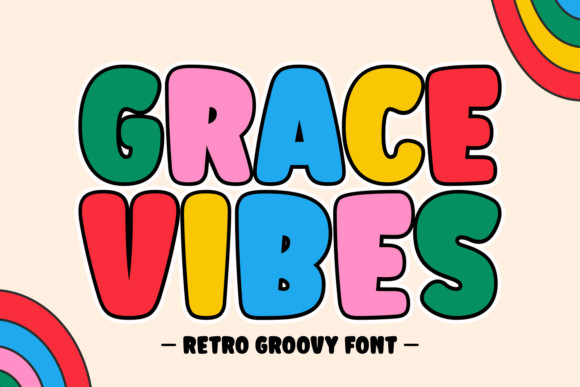
Mood Vibes Font: Retro Charm for Handmade Products
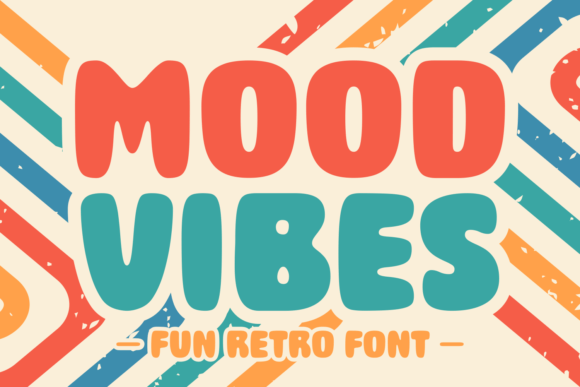
As a maker and small business owner, finding the perfect typeface is often about balancing personality with production reality. We need fonts that look incredible on screen but also perform beautifully when cut from vinyl, printed on textured cardstock, or embroidered onto fabric. Mood Vibes is a charming retro-style display font that hits this sweet spot perfectly. It brings a fun, cheerful aesthetic to typography designs without sacrificing the readability required for commercial products. Whether you are designing best-selling stickers, wedding stationery, or seasonal home decor, this typeface offers a nostalgic warmth that resonates deeply with customers looking for handmade authenticity.
Elevating Physical Products with Retro Typography
The visual personality of Mood Vibes is rooted in mid-century optimism, making it an exceptional choice for creators who want their physical goods to feel established yet playful. In the world of handmade selling, perceived quality is everything. A generic system font can make a product look mass-produced, whereas a curated premium font like Mood Vibes signals intentional design and artisanal care. This is particularly effective for packaging design and product labels where first impressions drive sales.
Consider how this font transforms everyday craft items. For candle makers, using Mood Vibes for scent names like "Vanilla Bean" or "Summer Citrus" evokes a vintage apothecary vibe that justifies a higher price point. For apparel sellers, the letterforms are bold enough to be readable from a distance on tote bags and t-shirts, yet detailed enough to avoid looking blocky or aggressive. The retro charm works exceptionally well for:
- Boutique Tags: Creating memorable unboxing experiences for jewelry and clothing shops.
- Farmhouse Signs: Adding softness to wooden signs without losing legibility.
- Holiday Packaging: Bringing festive nostalgia to gift tags and box labels.
- Planner Stickers: Making functional headers feel decorative and joyful.
Practical Application for Cutting Machines and Printables
For those of us relying on Cricut, Silhouette, or professional printing services, the anatomy of a display font matters as much as its style. Mood Vibes is designed with crafting practicality in mind. Unlike some distressed vintage fonts that have rough edges which cause cutting machines to snag or tear delicate paper, this typeface maintains clean vector lines. This makes it ideal for intricate die-cuts, adhesive vinyl decals, and heat transfer vinyl (HTV) projects where smooth weeding is essential.
When creating digital downloads or printable wall art, resolution and scalability are key. Because Mood Vibes functions as a true display font, it retains its crisp character at large sizes for posters and welcome boards. However, it also holds up surprisingly well at smaller scales for planner inserts or greeting cards. When using this font for printables intended for customer self-printing, always test your design at 100% scale on standard home printers to ensure the retro details remain distinct and do not bleed into one another. This attention to technical detail reduces customer support inquiries and increases positive reviews for your digital shop.
Strategic Font Pairing for Brand Consistency
A single font rarely carries an entire brand identity. To maximize the commercial utility of Mood Vibes, you must pair it effectively. Because this typeface has such strong character and visual weight, it performs best when balanced against simpler counterparts. Overpowering a design with too many expressive elements can reduce readability and confuse the customer's eye.
For a modern, clean aesthetic, pair Mood Vibes with a geometric sans serif font. The contrast between the retro curves of the display font and the structured neutrality of a sans serif creates a sophisticated look suitable for skincare labels, tech accessories, or minimalist stationery. Alternatively, if you are designing wedding invitations or romantic greeting cards, try pairing it with a delicate script font. Use Mood Vibes for the couple’s names or the event date to anchor the design, while using the script for secondary details. This hierarchy guides the viewer’s attention exactly where you want it, ensuring critical information is never lost in the decoration.
Best Practices for Readability and Hierarchy
While Mood Vibes is undeniably attractive, it is primarily a display font. This means it shines in short phrases, titles, names, and decorative wording rather than body copy. Using it for long paragraphs of text will fatigue the reader and diminish its special charm. Reserve this typeface for high-impact moments:
- Product Names: Make the item itself the hero of the label.
- Call-to-Action: Use it for "Shop Now," "Sale," or "New Arrival" buttons in social media graphics.
- Headers: Perfect for section dividers in digital planners or blog templates.
- Monograms: The unique letter shapes create distinctive initials for personalization services.
Always preview your mockups in real-world contexts. A font that looks great on a white background in design software might struggle against a busy floral pattern or a dark wood texture. Adjust tracking (letter spacing) slightly if needed; retro fonts sometimes benefit from tighter spacing for headlines but may require more breathing room when used on curved surfaces like mugs or tumblers.
Licensing and Commercial Use for Sellers
One of the most critical aspects of integrating any new creative font into your business workflow is understanding licensing. Before listing products featuring Mood Vibes, verify the specific license terms included with your purchase. Most premium fonts offer different tiers for personal use, small business commercial use, and extended commercial use for large-scale manufacturing or template resale.
If you are selling physical end-products like stickers, shirts, or signs, a standard commercial license typically suffices. However, if you plan to use Mood Vibes in editable templates (like Canva or Corjl templates), SVG files for other crafters, or logo designs for clients, you may require an extended license. Respecting these terms protects your business from legal issues and supports the type designers who create these valuable assets. Always keep your license receipt accessible, as platforms like Etsy or Creative Market may request proof of commercial rights during shop audits.
Checking Technical Assets and Alternates
To get the most mileage out of Mood Vibes, explore the full character set before finalizing your designs. Many retro-style display fonts include OpenType features that significantly enhance customization. Check for ligatures (connected letters) that can make wordmarks flow more naturally, or alternate characters that allow you to vary repeating letters in a phrase. These subtle adjustments prevent the "stamped" look that can sometimes occur with digital typography, adding that bespoke, hand-lettered quality that handmade buyers crave.
Additionally, confirm file format compatibility for your specific workflow. OTF files generally offer better access to alternates and ligatures in design software like Illustrator or Affinity Designer, while TTF files are often more compatible with basic cutting machine software. If you serve an international clientele or create multilingual printables, verify language support to ensure accented characters match the retro aesthetic seamlessly. By thoroughly understanding the technical capabilities of Mood Vibes, you transform it from a simple novelty typeface into a versatile workhorse for your creative business, capable of driving brand recognition and customer delight across every product line.